
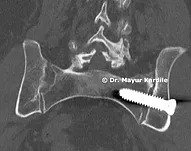
Sacroiliac (SI) joint fusion is a minimally invasive procedure to treat SI joint pain and instability. Using the iFuse implant system, triangular titanium implants are placed across the SI joint through a tiny incision, stabilizing the joint and relieving chronic SI joint pain.
Key Advantages
What is the SI Joint?
The sacroiliac (SI) joint connects the sacrum (base of the spine) to the ilium (pelvis). SI joint dysfunction is an underrecognized cause of lower back pain — accounting for 15–25% of cases of chronic lower back pain. The SI joint bears the full weight of the upper body and is subject to significant mechanical stresses.
When is SI Joint Fusion Recommended?
- Chronic SI joint pain (>6 months) not responding to conservative treatment
- SI joint instability confirmed on imaging and clinical examination
- SI joint pain confirmed by diagnostic injection
- SI joint degeneration after lumbar fusion
- Inflammatory arthritis affecting the SI joint
The Minimally Invasive Procedure
• Small 1-inch incision over the buttock • Three triangular titanium implants placed across the SI joint using image guidance • No large incision or muscle disruption • Procedure duration: 30–45 minutes • Patient walks same day • Discharge: Same day or next day
Recovery
• Patient walks same day • Hospital stay: 1 day • Partial weight-bearing for 2–4 weeks • Return to office work: 2–4 weeks • Return to full activities: 3–6 months • Most patients report significant improvement in pain by 3 months