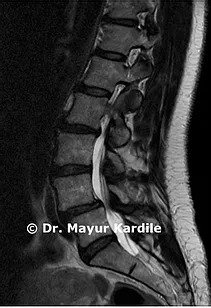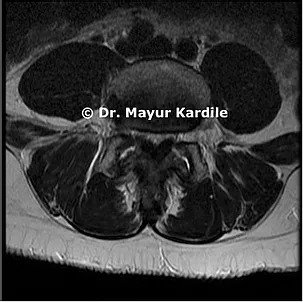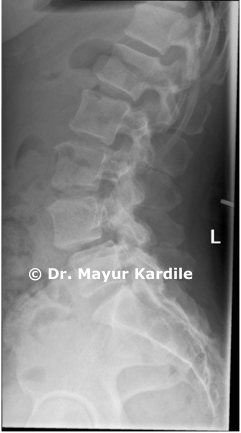

As the spinal canal narrows, the spinal cord along with the nerve roots gets compressed — this condition is known as lumbar canal stenosis. The narrowing can affect the lateral recess and subarticular compartments, and also the intervertebral foraminae (lumbar foraminal stenosis). Lumbar spinal stenosis is a common condition, especially in the elderly population.
Causes of Lumbar Spinal Stenosis
- Osteoarthritis and disc degeneration
- Combination of disc degeneration and bulging
- Hypertrophy — joint and ligament thickening
- Spondylolisthesis causing compression of the nerve roots
- Smoking
- Poor posture
- Obesity
- Repetitive heavy lifting
- Aging
Signs and Symptoms
Patients facing symptoms of lumbar stenosis typically experience pain while standing or walking. Typically, patients complain of pain in legs on walking a certain distance. The patient has to sit down or lean forward to relieve the pain. The pain tends to return while standing upright or walking. This pattern is commonly referred to as 'neurogenic claudication'. In severe cases, the nerves to the bladder or bowel may be compressed, leading to incontinence (Cauda Equina Syndrome). This requires immediate medical attention.
How is Lumbar Spinal Stenosis Diagnosed?
A detailed history and thorough clinical examination is important. The Spine Surgeon may request: • X-Ray • MRI — Magnetic resonance imaging (most important) • CT-Scan • Ultrasound scans of the blood vessels in the legs (to exclude vascular insufficiency)
Medication Treatment
At Pune Spine Institute, lumbar spinal stenosis is always treated conservatively in the first instance: • Non-steroidal anti-inflammatory drugs (NSAIDS): Relieve pain and reduce inflammation • Neuromodulatory medicines • Short course of corticosteroids • Agents specific for nerve pain (e.g., pregabalin)
Physical Therapy
Physiotherapy, hydrotherapy, Pilates, chiropractic, acupuncture, and osteopathy may be suggested. Physiotherapy helps build and maintain strength, endurance, and flexibility for spinal stability. Physical therapy may also include heat or ice packs, ultrasound, electrical stimulation, and massage at the back.
Surgical Options for Lumbar Canal Stenosis
Severe cases of lumbar spinal stenosis may require surgery. Dr. Kardile operates with Minimally Invasive Spine Surgery techniques which involve very less tissue handling and give rapid recovery. Surgical options include: • Minimally Invasive Lumbar Decompression • Transforaminal Lumbar Interbody Fusion (TLIF) • Minimally Invasive TLIF (MIS-TLIF) • Anterior Lumbar Interbody Fusion (ALIF) • Oblique Lumbar Interbody Fusion (OLIF)
Case Images