
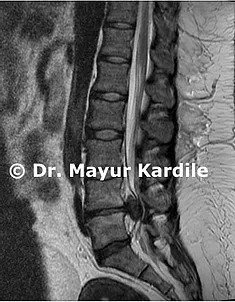
Microdiscectomy is the gold standard minimally invasive surgical procedure for treating herniated disc (slip disc) causing sciatica or arm pain. Dr. Mayur Kardile and the Pune Spine team have performed over 1000 microdiscectomies with excellent outcomes.
Key Advantages
What is Microdiscectomy?
Microdiscectomy is a minimally invasive surgical procedure where the herniated portion of an intervertebral disc is removed using a surgical microscope through a very small incision. This relieves pressure on the compressed spinal nerve and resolves sciatica or arm pain.
When is Microdiscectomy Recommended?
- Leg pain or arm pain (sciatica) due to herniated disc persisting for 6+ weeks despite non-surgical treatment
- Progressive neurological weakness in the arm or leg
- MRI showing herniated disc at the level causing symptoms
- Cauda Equina Syndrome (emergency — loss of bladder/bowel control)
- Non-surgical treatment has failed to provide adequate relief
The Microdiscectomy Procedure
The procedure is performed under general anesthesia: • Small 1–1.5 inch incision over the damaged disc level • Surgeon uses a surgical microscope to visualize the herniated disc and compressed nerve • Specialized instruments remove the herniated disc fragment • The nerve root is decompressed and freed • Procedure duration: approximately 45 minutes • Patient wakes up with immediate relief from leg/arm pain in most cases
Recovery After Microdiscectomy
• Patient walks on the same day of surgery • Discharge: Same day or next morning • No prolonged bed rest required • Return to office/sedentary work: Within 1 week • Return to physical/heavy work: 4–6 weeks • Return to sports: 6–8 weeks
Frequently Asked Questions
Q: Is microdiscectomy effective? A: Yes, very effective with long-lasting benefits. Over 90% of patients experience significant improvement in leg/arm pain. Q: What is the risk of re-herniation? A: 2–5% risk of re-herniation at the same level after microdiscectomy. Q: What are the risks? A: Rare complications (1–2%) include dural tear, CSF leak, and nerve injury. These are managed effectively when they occur. Q: Can it be done without general anesthesia? A: Microdiscectomy is typically done under general anesthesia for patient comfort and surgical precision.