
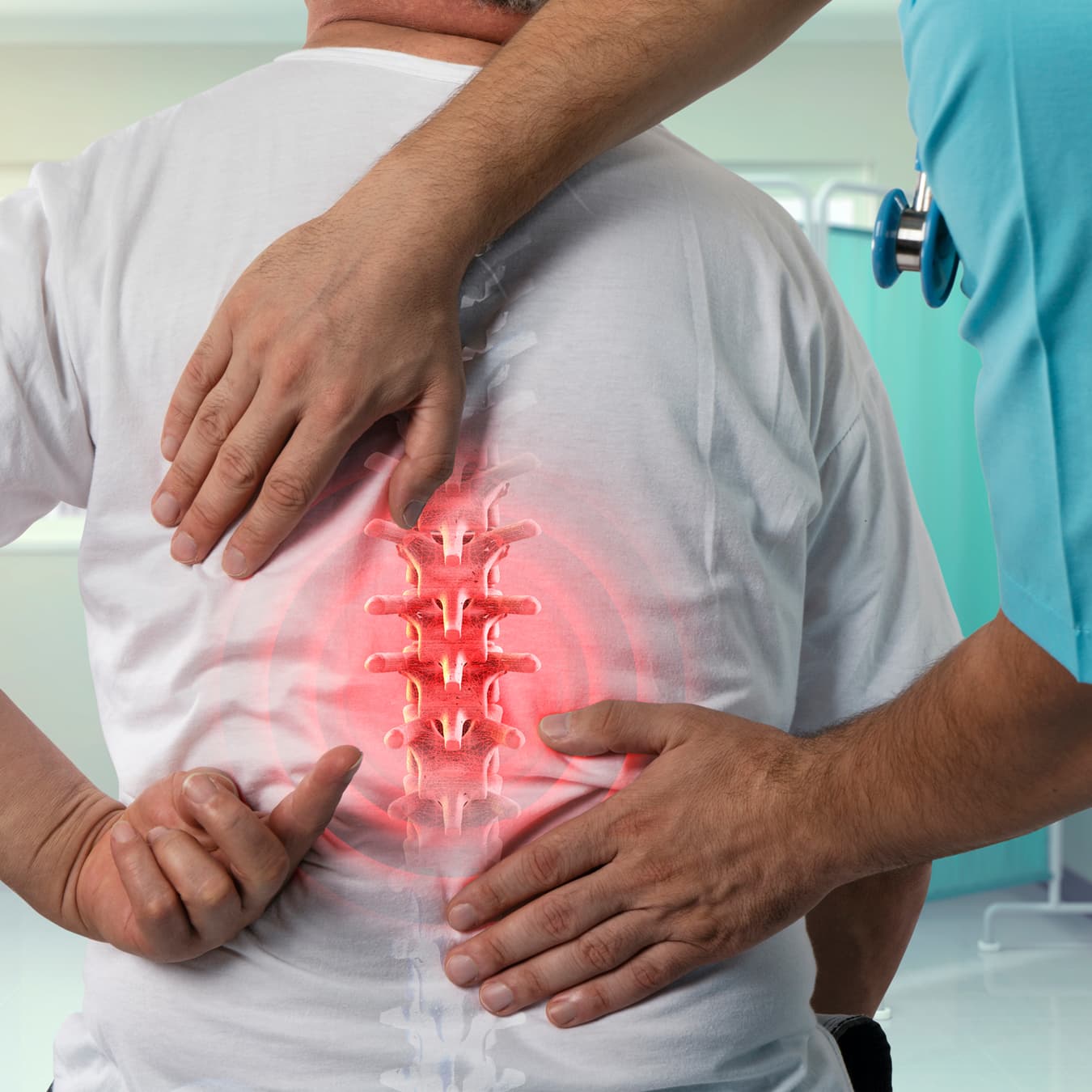
Spine Surgery has evolved over time and not all spine surgeries are the same or involve the same risks and benefit profiles. So one should gather all information from the surgeon about the recommended procedure before deciding to undergo spine surgery. Here are the 5 most important questions to ask:
Question 1: What is the Exact Procedure Recommended?
Seek detailed information about: • The exact nature of the surgery • Expected outcomes and success rates • Recovery time and post-operative restrictions • The surgeon's personal experience with this specific procedure • Whether the surgeon is an exclusive spine surgeon or a general orthopedic surgeon An exclusive spine surgeon who performs spine surgeries every day will generally have better outcomes than a general orthopedic surgeon who occasionally performs spine procedures.
Question 2: Can the Procedure be Done Using Minimally Invasive Technique?
Minimally invasive spine surgery (MISS) has several important advantages over traditional open surgery: • Smaller skin incisions (often less than 1 inch) • Less muscle trauma and blood loss • Lower infection rates • Faster recovery — often same-day discharge • Rapid mobilization — patients walk the same day Minimally invasive options available at Pune Spine Institute include: • Minimally invasive lumbar decompression • Micro-endoscopic discectomy • Minimally Invasive TLIF, ALIF, OLIF • Minimally invasive spine fracture fixation • Vertebroplasty and kyphoplasty
Question 3: Can Fusion be Avoided with Motion-Preserving Surgery?
Many lumbar spine problems that previously required fusion surgery can now be treated with motion-preserving techniques. Advantages of motion-preserving surgery: • Preserves natural spinal movement • Reduces stress on adjacent spinal segments • No hardware implanted • Rapid recovery with minimal activity limitations • Longer-lasting positive effects on spine health At Pune Spine Institute, we always explore whether a motion-preserving option is appropriate before recommending fusion.
Question 4: What are the Latest Fusion Techniques Available for Me?
If fusion surgery is necessary, newer techniques offer significant advantages: • ALIF (Anterior Lumbar Interbody Fusion): Performed from the front (belly side). Advantages include small incisions, no muscle cutting at the back, wide fusion area for better bone growth, and very low risk of nerve injury. • OLIF (Oblique Lumbar Interbody Fusion): Performed from the side. Avoids back muscles and nerves entirely. Very little blood loss and rapid recovery. Dr. Kardile is one of the rare spine surgeons in India trained in both ALIF and OLIF techniques.
Question 5: What Will My Post-Operative Course Be?
With minimally invasive spine surgery: • No prolonged bed rest required • Average hospital stay: 1–2 days • Return to sedentary/office work: 2 weeks • Return to heavy activities: 6–8 weeks • Most patients are walking the same day of surgery With traditional open surgery: • Hospital stay: 3–5 days • Return to sedentary work: 4–6 weeks • Return to full activities: 3–6 months
Final Advice
Don't hesitate to seek a second opinion before spine surgery. A good spine surgeon will welcome your questions and concerns. At Pune Spine Institute, we believe every patient deserves a thorough explanation of their condition and all available treatment options — both non-surgical and surgical.

About the Author
Dr. Mayur Kardile
Spine Surgeon, MS Ortho, DNB — Fellowship, Kaiser Permanente, California
Dr. Mayur Kardile is a United States trained spine surgeon and Director of Pune Spine Institute. He is one of the rarest few spine surgeons in India trained to perform anterior spine surgeries.